
Outage plan
When the power is out and the water stops
A practical sequence for light, water, food, medication, and information during a multi-day outage.
Read the briefing →Clear, source-checked guidance for the moments when power, water, weather, or a quick exit stop being theoretical.
Three useful places to start, based on current household preparedness gaps and seasonal risk.
A practical sequence for light, water, food, medication, and information during a multi-day outage.
Read the briefing →
How to choose a cleaner room, reduce indoor smoke, and decide when to leave.
Read the briefing →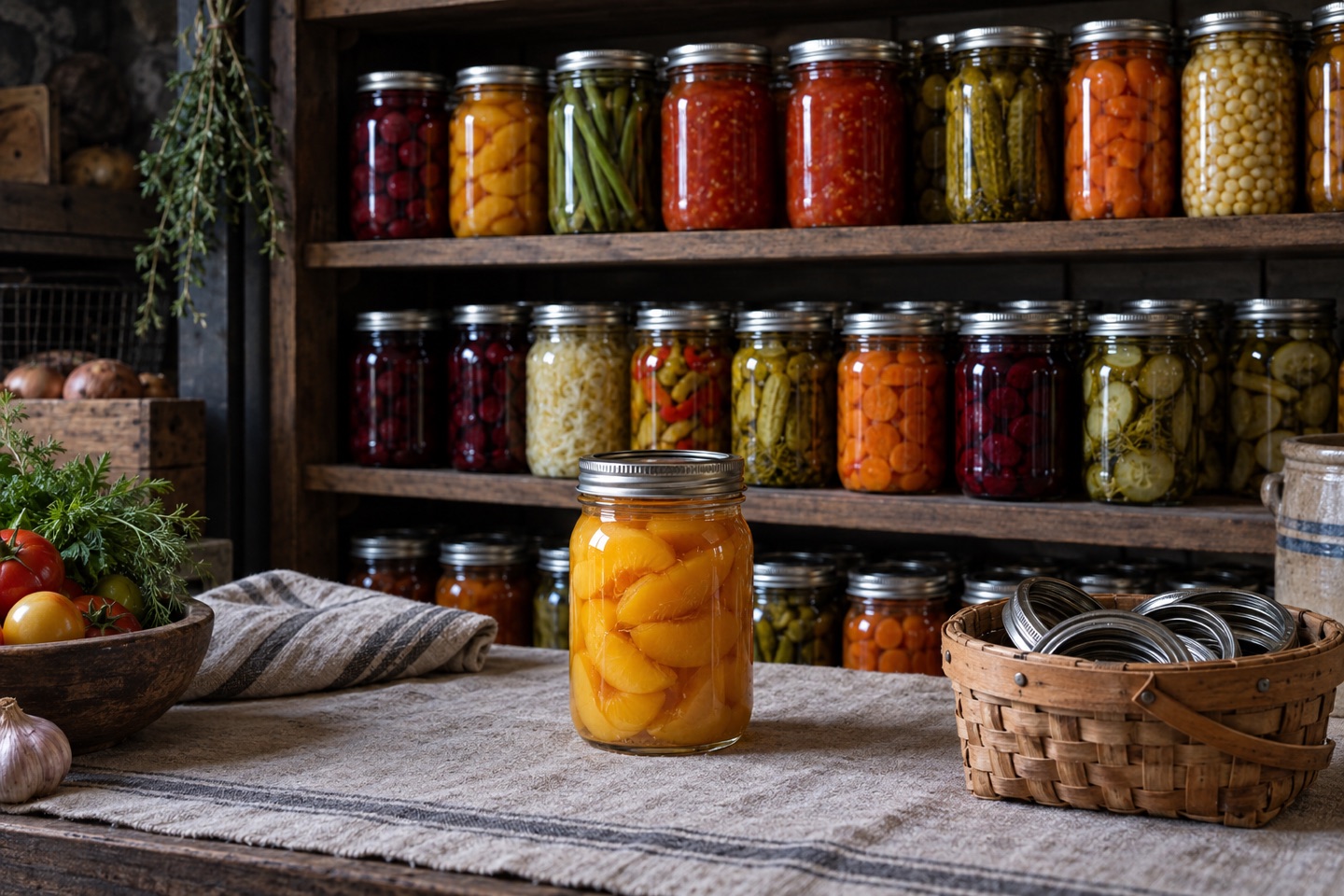
A weekly checklist that improves resilience without turning preparedness into a shopping contest.
Read the briefing →Research first, then a useful action.
Preparing Wisely starts with current emergency-management guidance, seasonal signals, and questions people are asking in public forums. We translate that research into a short plan you can actually test at home.
Every claim that affects safety is checked against an official source. Dates are accurate. Images are labeled when AI-generated. No fear-selling, no invented experience.